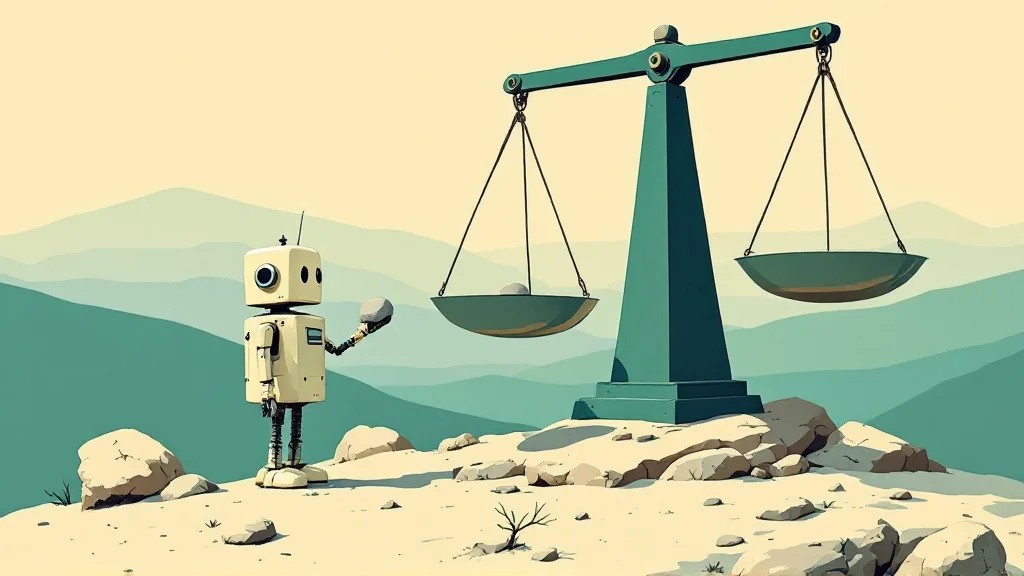
An AI assistant is only as good as what it is allowed to read. Most businesses discover this the week after they connect one to their documents, when it confidently quotes a policy that changed last spring, or answers a simple question with a paragraph that belongs to a different product.
The instinct is to blame the model. Usually the model is doing exactly what it was asked. The problem is the knowledge base, which was written for people who already knew the answer and just needed a reminder.
Why assistants guess
Company knowledge tends to accumulate rather than get organised. The same process lives in a handbook, a slide deck and an old email thread, each slightly different. Pages assume context the reader was supposed to bring with them. The one sentence that actually answers the question sits in the middle of a long page about something adjacent.
A person working through that mess uses judgement. They know the handbook is out of date, they know who to ask, and they can tell which version is the real one. An assistant has none of that. It finds text that looks relevant, and it answers from it.
An assistant does not know which of your three versions is current. It will pick one and sound certain.
Structure that helps a machine, and your people
None of what follows needs special software. It is mostly editorial discipline, and every piece of it makes the documents better for the people reading them too.
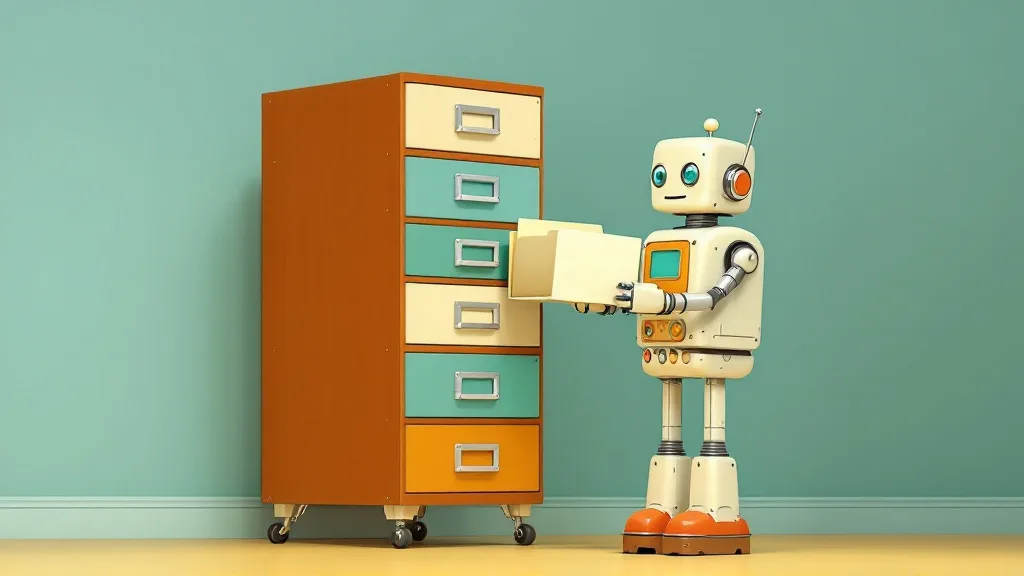
Keep one topic per document. A page that covers refunds, shipping and warranty claims is three pages pretending to be one, and an assistant will blend them. Give each document a title phrased the way someone would actually ask the question — how do we issue a refund, not refund policy overview.
Put the answer first and the detail after. If the useful sentence is the fourth paragraph, both a hurried employee and an assistant will miss it.
Keep one source of truth, and retire the rest. This is the single change that does the most good. When the old version still exists somewhere readable, it will eventually be the one that gets quoted.
Name things consistently. If the same thing is a client in one document, a customer in another and an account in a third, write down which word you mean and use it. A short glossary does more for accuracy than most people expect.
Prefer real text over pictures of text. Scanned PDFs, screenshots of settings pages and slides full of diagrams are close to invisible to many assistants, and hard to search for everyone else.
Start with the questions people actually ask
Do not begin by reorganising everything. Begin with the twenty or so questions your team or your customers ask every week, which are sitting in your inbox, your support history and your team chat right now. Write a clean, answer-first document for each of those, retire the older versions, and you have covered most of the real demand before touching the long tail.
It also gives you a fair test. Ask the assistant those same questions before and after, and you will see the difference plainly rather than taking anyone's word for it.
Keep it true
A knowledge base goes stale quietly, and a stale document is worse in front of an assistant than a missing one, because the assistant will state the outdated answer with complete confidence. Give every document an owner and a date it was last reviewed, and put the review on somebody's calendar. The structure is the easy part; keeping it current is the part that decides whether the whole thing is trusted.
How we think about it
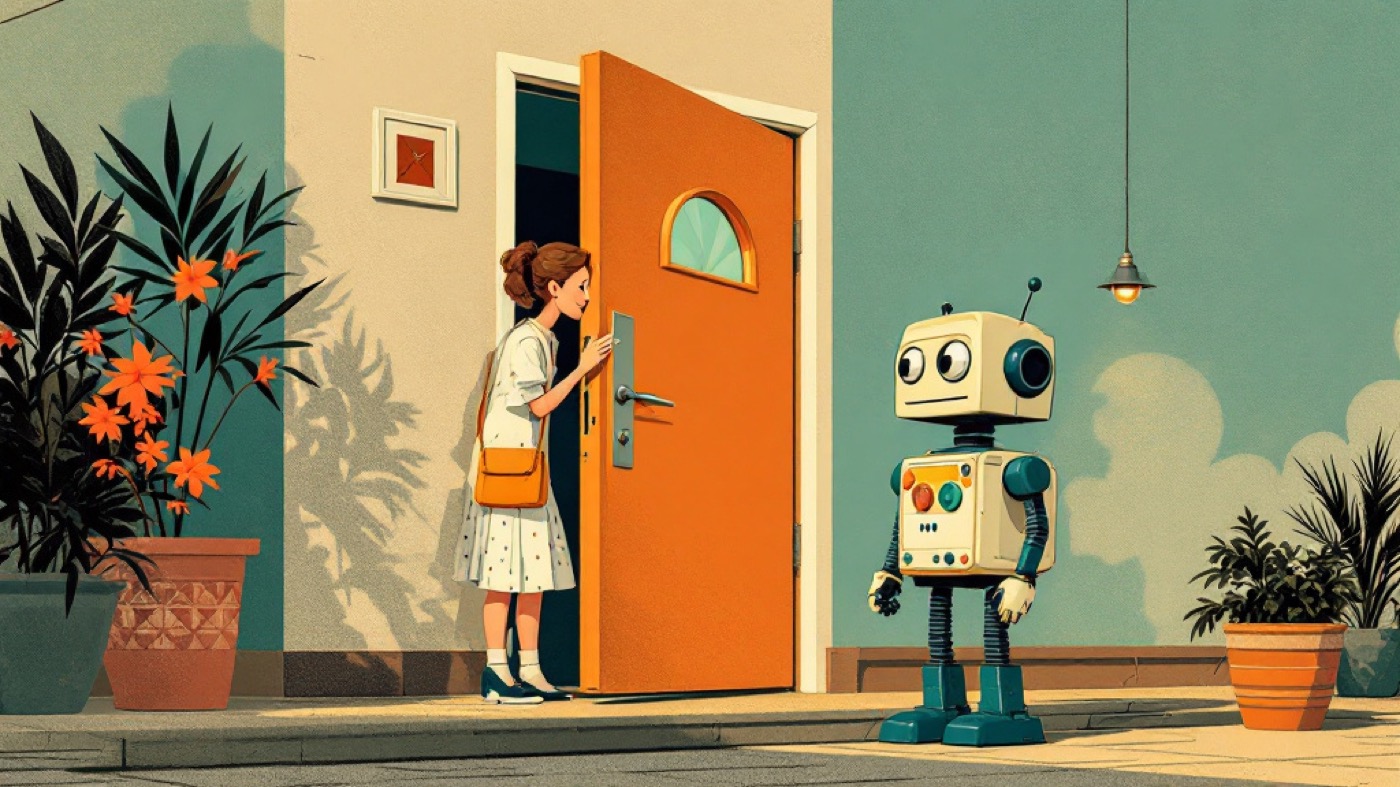
This is the same idea we build websites around. A site made of clean, structured content is easier for a person to use and easier for a machine to read, which is why we do not build on a database-and-plugin stack where content gets tangled up with presentation. It is also where things are heading: assistants are moving from reading pages to connecting to a business directly, and what they connect to is only as good as the knowledge behind it. And none of it matters if the assistant is turned away at the door before it reads a word. If your team is sitting on years of knowledge that nobody, human or otherwise, can find, that is exactly the kind of problem we like — see our method.